
What Is Dry Eye Syndrome?
Dry eye occurs when the eyes do not produce enough tears or when the tear quality is poor. Tears are essential for lubrication, and help protect the ocular surface. When this balance is disrupted, irritation and inflammation can develop. An experienced eye doctor will evaluate tear production and stability. A diagnosis is made based on symptoms, clinical findings, and specialized testing.
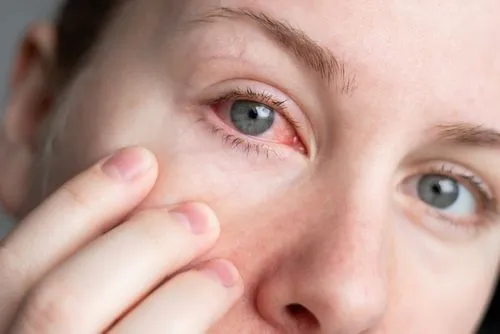
What Are Symptoms of Dry Eye?
Symptoms can vary, and they may worsen throughout the day. Common signs include burning, itching, redness, and a gritty sensation. Some patients report blurry vision, which may improve with blinking. Excessive tearing can also occur, and it may seem unexpected. This happens as a reflex response to dryness. If symptoms persist, consult an optometrist near you for evaluation and dry eye treatment.
What Causes Dry Eye?
Dry eye can result from several factors. Aging is a common cause, and tear production often decreases over time. Environmental conditions, such as wind or dry air, can also contribute. Prolonged screen use is another factor, and reduced blinking can worsen dryness. Contact lenses can sometimes exacerbate symptoms, especially if they are worn for extended periods.
How Is Dry Eye Diagnosed?
A comprehensive eye exam is used to diagnose dry eye syndrome. Your eye doctor may perform tests to measure tear quantity and quality. The surface of the eye is also examined for signs of irritation or damage. Early diagnosis allows for more effective dry eye treatment, and symptoms can often be managed successfully.
What Are Treatment Options?
Dry eye treatment is tailored to the severity of the condition. Artificial tears are commonly recommended, but prescription medications may be used to reduce inflammation and improve tear production. Lifestyle changes are often suggested, including reducing screen time or using humidifiers. For patients who wear contact lenses, adjustments may be recommended to improve comfort. In more advanced cases, procedures may be performed to conserve tears or improve tear quality.
Can Dry Eye Be Prevented?
Dry eye cannot always be prevented, but symptoms can be managed effectively. Regular eye exams are important, and early intervention can reduce discomfort. Proper hydration and eye protection can also support tear function. When care is maintained, long-term complications can often be avoided.
When Should You See an Eye Doctor?
You should visit an eye doctor if you experience ongoing dryness or irritation. At Lavenburg Medical Group, patients in Elkton, MD, and Newark, DE receive personalized care for dry eye and other vision concerns. To learn more or schedule an appointment, call our Elkton office at (410) 392-6133 or our Newark office at (302) 993-0722. With proper diagnosis and treatment, comfort can be restored, and eye health can be preserved.